 At the Luxury Loft, Heinz Julen39;s most recent project, a chandelierhttp://www1.pictures.lonny.com/mp/sto63KKNrmWx.jpg
Alpine luxury chandelier
A chandelier is a ornamental ceiling-mounted light fixture. Chandeliers are often ornate, and use lamps normally. Crystal chandeliers have more or less complex arrays of crystal prisms to illuminate an area with refracted light. Chandeliers are often positioned in hallways, living rooms, and in bathrooms recently.
The word chandelier was first known in the English words in the 1736, lent from the Old France term chandelier, which comes from the Latin candelabrum.
The earliest candle chandeliers were utilized by the rich in middle ages times, this kind of chandelier could be changed to different rooms. From the 15th century, more technical types of chandeliers, based on ring or crown designs, became popular decorative features in homes and palaces of nobility, clergy and merchants. Its high cost made the chandelier a symbol of luxury and status.
By the first 18th century, ornate ensemble ormolu forms with long, curved forearms and many candles were in the homes of many in the growing vendor class. Neoclassical motifs became an increasingly common element, in solid metals but also in carved and gilded hardwood mostly. Chandeliers manufactured in this style drew heavily on the aesthetic of ancient Greece and Rome also, incorporating clean lines, classical proportions and mythological creatures. Developments in glassmaking later allowed cheaper creation of lead crystal, the light scattering properties of which made it a favorite addition to the proper execution quickly, resulting in the crystal chandelier.
Through the 18th century a glass chandeliers were produced by Bohemiens and Venetian glassmakers who had been both masters in the art of earning chandeliers. Bohemian style was typically successful across European countries and its own biggest pull was the opportunity to obtain stunning light refraction anticipated to facets and bevels of crystal prisms. Being a reaction to this new flavor Italian goblet factories in Murano created new sorts of artistic light resources. Since Murano a glass was not suited to faceting, typical work realized at the right amount of time in other countries where crystal was used, venetian glassmakers relied after the unique features of their goblet. Typical top features of a Murano chandelier are the intricate arabeques of leaves, bouquets and fruits that would be enriched by colored glass, made possible by the precise type of a glass used in Murano. This glass they caused was so unique, as it was soda glass (famed because of its remarkable lightness) and was a complete comparison to all different types of glass produced in the world at that time. An incredible amount of skill and time was required to twist and shape a chandelier precisely. This new kind of chandelier was called "ciocca" literally bouquet of flowers, for the characteristic decorations of glazed polychrome flowers. The best sumptuous of these consisted of a metal structure covered with small elements in blown a glass, transparent or colored, with accessories of flowers, fruits and leaves, while simpler model possessed arms made with a unique little bit of glass. Their form was encouraged by a genuine architectural strategy: the space inside is left almost vacant since decor are spread all around the central support, distanced from it by the length of the hands. One of the common use of the huge Murano Chandeliers was the inside light of theatres and rooms in important palaces.
In the mid-19th century, as gas light found on, branched roof fixtures called gasoliers (a portmanteau of gas and chandelier) were produced, and many candle chandeliers were turned. By 1890s, with the appearance of electric light, some chandeliers used both electricity and gas. As distribution of electricity widened, and supplies became dependable, electric-only chandeliers became standard. Another portmanteau term, electrolier, was produced for these, but nowadays they may be most commonly called chandeliers. Some are fitted with bulbs shaped to imitate candle flames, for example those shown below in Epsom and Chatsworth, or with bulbs containing a shimmering gas discharge.
The world's largest English Wine glass chandelier,(Hancock Rixon & Dunt and probably F. & C. Osler) is situated in the Dolmabah?e Palace in Istanbul. It offers 750 lamps and weighs 4.5 tons. Dolmabah?e has the most significant collection of British and Baccarat crystal chandeliers in the world, and one of the great staircases has balusters of Baccarat crystal.
More complex and elaborate chandeliers continued to be developed throughout the 18th and 19th hundreds of years, but the widespread benefits of gas and electricity experienced devalued the chandelier's charm as a position symbol.
Toward the end of the 20th hundred years, chandeliers were often used as attractive things for rooms, and didn't light up often.
warm amp; festive gt; alpine luxury cardigan at J.Jill Style Pinterest
 https://s-media-cache-ak0.pinimg.com/236x/20/a3/55/20a355c6ee12c71bd8c23385e17c05e7.jpg
Chalet Madeleine Cheap Ski Holidays to Chalet Madeleine, Val D39;isere
 http://www.skiworld.co.uk/images/uploads/photos/small/madeleine-exterior_3421.jpg
Be inspired by these exclusive alpine palaces
 https://www.luxdeco.com/styleguide/wp-content/uploads/2013/02/cheval-blanc-interior-3.jpg
Designer Lighting Luxury Chandeliers, Light Fixtures amp; More Lamps
 http://www.lampsplus.com/img/landing-pages/designer-lighting/designer-lighting-splash.jpg
OIP.M190c1067ec746c2d002f1d9cbf45ffaeo0
94C7AA8B110A0CF1CE7CD19CCF7F5C1FD0D3720F8http://www.lonny.com/Home+Tour/articles/c55-AgtDepS/High+Altitude+Design
Embed Our image to your website
ThumbnailImageEmbed Our image to a Forum
ThumbnailImage
At the Luxury Loft, Heinz Julen39;s most recent project, a chandelier
 Chandelier by Angelo Mangiarotti — Marquette Turner Luxury Homeshttp://marquetteturner.com/wp-content/blogs.dir/1/files/2011/04/P-Light-by-Angelo-Mangiarotti-2-150x150.jpg
Angelo Home luxury chandelier
A chandelier is a decorative ceiling-mounted light fixture. Chandeliers are often ornate, and use lamps normally. Crystal chandeliers have significantly more or less complex arrays of crystal prisms to illuminate an area with refracted light. Chandeliers are located in hallways often, living rooms, and in bathrooms recently.
The expressed word chandelier was first known in the British terminology in the 1736, lent from the Old People from france term chandelier, which originates from the Latin candelabrum.
The earliest candle chandeliers were employed by the rich in middle ages times, this kind of chandelier could be migrated to different rooms. From the 15th century, more technical varieties of chandeliers, predicated on ring or crown designs, became popular decorative features in homes and palaces of nobility, merchants and clergy. Its high cost made the chandelier symbolic of luxury and status.
By the early 18th century, ornate ensemble ormolu forms with long, curved biceps and triceps and many candles were in the homes of many in the growing product owner class. Neoclassical motifs became an increasingly common element, in cast metals but also in carved and gilded lumber mostly. Chandeliers made in this style also drew heavily on the aesthetic of ancient Greece and Rome, incorporating clean lines, classical proportions and mythological creatures. Trends in glassmaking allowed cheaper production of lead crystal later, the light scattering properties of which quickly managed to get a favorite addition to the form, resulting in the crystal chandelier.
During the 18th century glass chandeliers were made by Bohemiens and Venetian glassmakers who had been both masters in the skill of making chandeliers. Bohemian style was largely successful across European countries and its biggest pull was the opportunity to obtain breathtaking light refraction anticipated to facets and bevels of crystal prisms. To be a a reaction to this new flavor Italian glass factories in Murano created new sorts of imaginative light resources. Since Murano a glass was not suited to faceting, typical work understood at the right amount of time in other countries where crystal was used, venetian glassmakers relied after the unique qualities of their cup. Typical top features of a Murano chandelier will be the elaborate arabeques of leaves, fruits and blossoms that might be enriched by colored wine glass, permitted by the specific type of wine glass used in Murano. This wine glass they worked with was so unique, as it was soda pop glass (famed because of its incredible lightness) and was a complete distinction to all different kinds of glass produced in the world at that time. An incredible amount of skill and time was required to precisely twist and shape a chandelier. This new kind of chandelier was called "ciocca" literally bouquet of flowers, for the characteristic decorations of glazed polychrome flowers. The most sumptuous of them contains a metal structure covered with small elements in blown wine glass, colored or transparent, with adornments of flowers, fruits and leaves, while simpler model experienced arms made out of a unique piece of glass. Their shape was influenced by an original architectural theory: the space on the inside is kept almost bare since adornments are spread all over the central support, distanced from it by the length of the arms. Among the common use of the huge Murano Chandeliers was the interior lamps of theatres and rooms in important palaces.
In the middle-19th century, as gas lighting caught on, branched ceiling accessories called gasoliers (a portmanteau of gas and chandelier) were produced, and many candle chandeliers were transformed. From the 1890s, with the appearance of electric light, some chandeliers used both gas and electricity. As distribution of electricity widened, and supplies became dependable, electric-only chandeliers became standard. Another portmanteau phrase, electrolier, was formed for these, but nowadays they are really mostly called chandeliers. Some are fitted with bulbs shaped to imitate candle flames, for example those shown below in Epsom and Chatsworth, or with bulbs containing a shimmering gas discharge.
The world's greatest English Cup chandelier,(Hancock Rixon & Dunt and probably F. & C. Osler) is located in the Dolmabah?e Palace in Istanbul. It offers 750 lighting fixtures and weighs 4.5 tons. Dolmabah?e has the largest collection of British and Baccarat crystal chandeliers in the world, and one of the great staircases has balusters of Baccarat crystal.
More technical and complex chandeliers stayed developed throughout the 18th and 19th ages, but the widespread advantages of gas and electricity possessed devalued the chandelier's appeal as a position symbol.
Toward the final end of the 20th hundred years, chandeliers were often used as decorative focal points for rooms, and often didn't illuminate.
Dangelo 12 Light Round Smoked Glass Prism Chandelier Amazon.com
 http://ecx.images-amazon.com/images/I/511CwN9nxTL._SX342_QL70_.jpg
12 Industrial Interior Design Ideas Vintage Industrial Style
 http://vintageindustrialstyle.com/wp-content/uploads/2014/11/featured-image6.jpg
pininfarinareflexangelosegno10chaplinsfurniture
 http://chaplins.co.uk/wp-content/uploads/2016/05/pininfarina-reflex-angelo-segno-10-chaplins-furniture.jpg
Lighting Design Crystal Chandeliers by Barovieramp;Toso Founterior
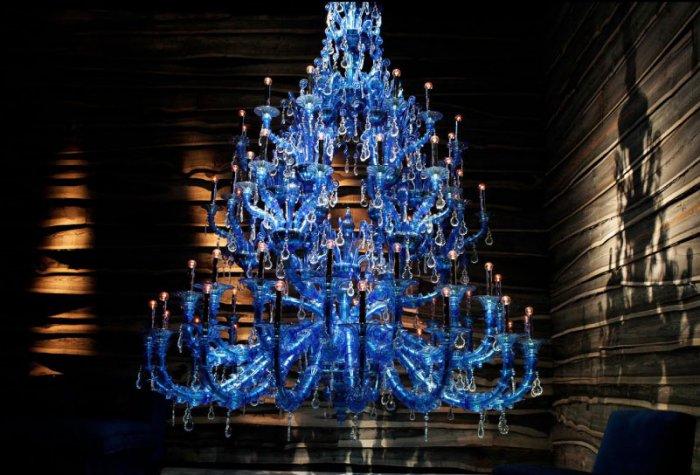 https://founterior.com/wp-content/uploads/2013/02/crystal-chandeliers-lighting-design-barovier-toso-01.jpg
OIP.Me950dfc83680207f62fcb914b7df7083o0
8AAA50AFA4D594B4C22F5837C40024810963C582Ahttp://marquetteturner.com/the-p-light-modern-chandelier-by-angelo-mangiarotti
Embed Our image to your website
ThumbnailImageEmbed Our image to a Forum
ThumbnailImage
Chandelier by Angelo Mangiarotti — Marquette Turner Luxury Homes
 Amisco Jason Swivel Stool Modern Bar Stools And Counter Stoolshttp://st.hzcdn.com/simgs/0e116ecd03fccb96_4-6121/modern-bar-stools-and-counter-stools.jpg
Amisco luxury chandelier
A chandelier is a ornamental ceiling-mounted light fixture. Chandeliers are often ornate, and use lamps normally. Crystal chandeliers have more or less complex arrays of crystal prisms to illuminate a room with refracted light. Chandeliers are often situated in hallways, living rooms, and recently in bathrooms.
The word chandelier was initially known in the English dialect in the 1736, lent from the Old France term chandelier, which comes from the Latin candelabrum.
The earliest candle chandeliers were used by the wealthy in middle ages times, this kind of chandelier could be shifted to different rooms. From 15th century, more complex types of chandeliers, predicated on crown or ring designs, became popular decorative features in palaces and homes of nobility, merchants and clergy. Its high cost made the chandelier symbolic of luxury and status.
By the early 18th century, ornate cast ormolu forms with long, curved arms and many candle lights were in the homes of many in the growing vendor class. Neoclassical motifs became an increasingly common element, in cast metals but also in carved and gilded hardwood typically. Chandeliers manufactured in this style drew heavily on the aesthetic of ancient Greece and Rome also, incorporating clean lines, classical proportions and mythological creatures. Innovations in glassmaking allowed cheaper development of lead crystal later, the light scattering properties which made it a popular addition to the proper execution quickly, leading to the crystal chandelier.
Through the 18th century cup chandeliers were produced by Bohemiens and Venetian glassmakers who had been both masters in the skill of making chandeliers. Bohemian style was mainly successful across Europe and its biggest get was the chance to obtain spectacular light refraction due to facets and bevels of crystal prisms. As a a reaction to this new preference Italian cup factories in Murano created new sorts of artistic light sources. Since Murano glass was not ideal for faceting, typical work recognized at the right time in other countries where crystal was used, venetian glassmakers relied upon the unique qualities of their wine glass. Typical top features of a Murano chandelier will be the elaborate arabeques of leaves, blossoms and fruits that might be enriched by coloured a glass, permitted by the specific type of wine glass used in Murano. This goblet they caused was so unique, as it was soda glass (famed because of its amazing lightness) and was a complete distinction to all different kinds of glass stated in the world at that time. An incredible amount of skill and time was required to precisely twist and condition a chandelier. This new kind of chandelier was called "ciocca" literally bouquet of flowers, for the characteristic decorations of glazed polychrome flowers. Essentially the most sumptuous of them consisted of a metal body covered with small elements in blown a glass, transparent or colored, with accessories of flowers, fruits and leaves, while simpler model got arms made out of a unique little bit of glass. Their condition was inspired by a genuine architectural idea: the area on the inside is kept almost unfilled since decorations are spread all over the central support, distanced from it by the space of the arms. Among the common use of the huge Murano Chandeliers was the interior lamps of theatres and rooms in important palaces.
In the mid-19th hundred years, as gas lamps caught on, branched ceiling fittings called gasoliers (a portmanteau of gas and chandelier) were produced, and many candle chandeliers were turned. By the 1890s, with the looks of electric light, some chandeliers used both gas and electricity. As distribution of electricity widened, and supplies became dependable, electric-only chandeliers became standard. Another portmanteau expression, electrolier, was shaped for these, but nowadays they are really most called chandeliers commonly. Some are fitted with bulbs shaped to imitate candle flames, for example those shown below in Epsom and Chatsworth, or with bulbs containing a shimmering gas discharge.
The world's major English A glass chandelier,(Hancock Rixon & Dunt and probably F. & C. Osler) is situated in the Dolmabah?e Palace in Istanbul. It includes 750 lamps and weighs 4.5 tons. Dolmabah?e has the major collection of British and Baccarat crystal chandeliers in the world, and one of the great staircases has balusters of Baccarat crystal.
More technical and intricate chandeliers stayed developed throughout the 18th and 19th generations, but the common introduction of gas and electricity acquired devalued the chandelier's appeal as a status symbol.
Toward the final end of the 20th century, chandeliers were often used as attractive things for rooms, and often did not light up.
HighpointMarketStyleSpottersFall20166 HighpointMarketStyle
 http://www.bykoket.com/news/wp-content/uploads/2016/10/Highpoint-Market-Style-Spotters-Fall-2016-6.jpg
Furniture Modern Headboards new york by Designer Furniture
 http://st.houzz.com/simgs/d1512de901e37c22_4-2950/modern-headboards.jpg
Big 17.3 Chinese White Snake Skin / Fish Scale Textured Vase amp; Wood
 http://www.gogogretchen.com/file/281350560548_1.jpg
OIP.Mf63c28ce1836e8404db05cdc2f2fd496o0
9BE6CA3392FCEE7C99C0DF560A8093796215557A4http://www.houzz.com/photos/16377758/Amisco-Jason-Swivel-Stool-modern-bar-stools-and-counter-stools-los-angeles
Embed Our image to your website
ThumbnailImageEmbed Our image to a Forum
ThumbnailImage
Amisco Jason Swivel Stool Modern Bar Stools And Counter Stools
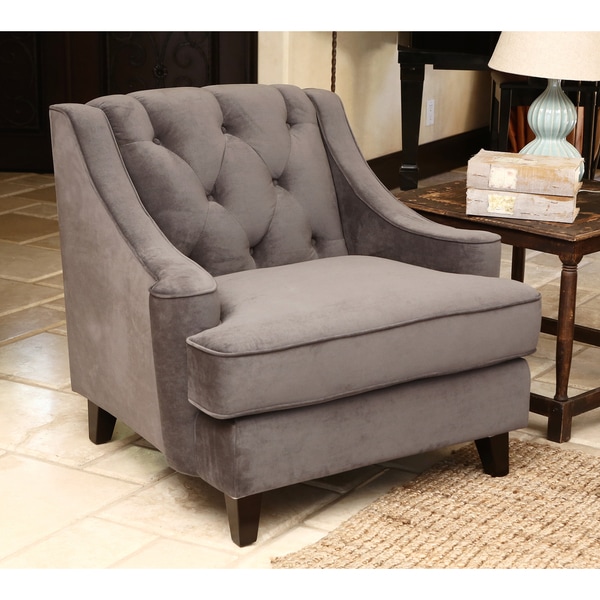 .com Shopping Great Deals on Abbyson Living Living Room Chairshttps://ak1.ostkcdn.com/images/products/9421266/ABBYSON-LIVING-Claridge-Dark-Grey-Velvet-Fabric-Tufted-Armchair-2c6645ef-9751-4a8d-87ec-d7d1b819c1a0_600.jpg
Abbyson Living luxury chandelier
A chandelier is a attractive ceiling-mounted light fixture. Chandeliers are ornate often, and use lamps normally. Crystal chandeliers have significantly more or less complex arrays of crystal prisms to illuminate an area with refracted light. Chandeliers are often located in hallways, living rooms, and in bathrooms recently.
The expressed phrase chandelier was initially known in the English language in the 1736, borrowed from the Old French word chandelier, which comes from the Latin candelabrum.
The earliest candlestick chandeliers were used by the wealthy in medieval times, this kind of chandelier could be relocated to different rooms. In the 15th century, more complex types of chandeliers, based on band or crown designs, became popular ornamental features in palaces and homes of nobility, clergy and merchants. Its high cost made the chandelier a symbol of luxury and status.
By the first 18th century, ornate solid ormolu varieties with long, curved hands and many candles were in the homes of many in the growing vendor class. Neoclassical motifs became an increasingly common element, in cast metals but also in carved and gilded solid wood usually. Chandeliers made in this style also drew heavily on the aesthetic of ancient Greece and Rome, incorporating clean lines, classical proportions and mythological creatures. Trends in glassmaking later allowed cheaper production of business lead crystal, the light scattering properties which made it a popular addition to the proper execution quickly, resulting in the crystal chandelier.
During the 18th century glass chandeliers were produced by Bohemiens and Venetian glassmakers who have been both masters in the fine art of earning chandeliers. Bohemian style was largely successful across European countries and its biggest draw was the chance to obtain stunning light refraction credited to facets and bevels of crystal prisms. Being a a reaction to this new flavour Italian goblet factories in Murano created new kinds of creative light options. Since Murano a glass was not suited to faceting, typical work came to the realization at the time far away where crystal was used, venetian glassmakers relied after the unique features of their cup. Typical top features of a Murano chandelier will be the elaborate arabeques of leaves, fruits and bouquets that might be enriched by colored goblet, permitted by the specific type of a glass used in Murano. This cup they caused was so unique, as it was soda pop glass (famed for its incredible lightness) and was a complete compare to all different types of glass produced in the world at that time. An incredible amount of skill and time was required to twist and condition a chandelier precisely. This new kind of chandelier was called "ciocca" literally bouquet of flowers, for the characteristic decorations of glazed polychrome flowers. The best sumptuous of them contains a metal body covered with small elements in blown goblet, transparent or colored, with adornments of flowers, fruits and leaves, while simpler model had arms made with a unique piece of glass. Their shape was encouraged by an original architectural idea: the area inside is still left almost bare since decor are spread all around the central support, distanced from it by the space of the forearms. Among the common use of the huge Murano Chandeliers was the interior lamps of theatres and rooms in important palaces.
In the mid-19th century, as gas lamps trapped on, branched roof fittings called gasoliers (a portmanteau of gas and chandelier) were produced, and many candle chandeliers were transformed. Because of the 1890s, with the looks of electric light, some chandeliers used both gas and electricity. As distribution of electricity widened, and supplies became dependable, electric-only chandeliers became standard. Another portmanteau term, electrolier, was formed for these, but nowadays they can be most called chandeliers commonly. Some are fitted with bulbs shaped to imitate candle flames, for example those shown below in Chatsworth and Epsom, or with bulbs containing a shimmering gas discharge.
The world's largest English Cup chandelier,(Hancock Rixon & Dunt and probably F. & C. Osler) is positioned in the Dolmabah?e Palace in Istanbul. It offers 750 lamps and weighs 4.5 tons. Dolmabah?e has the major collection of British and Baccarat crystal chandeliers in the world, and one of the great staircases has balusters of Baccarat crystal.
More technical and complex chandeliers continued to be developed throughout the 18th and 19th decades, but the wide-spread benefits of gas and electricity got devalued the chandelier's charm as a status symbol.
Toward the final end of the 20th century, chandeliers were often used as ornamental things for rooms, and didn't illuminate often.
Overstock.com Shopping Great Deals on Modway Chandeliers amp; Pendants
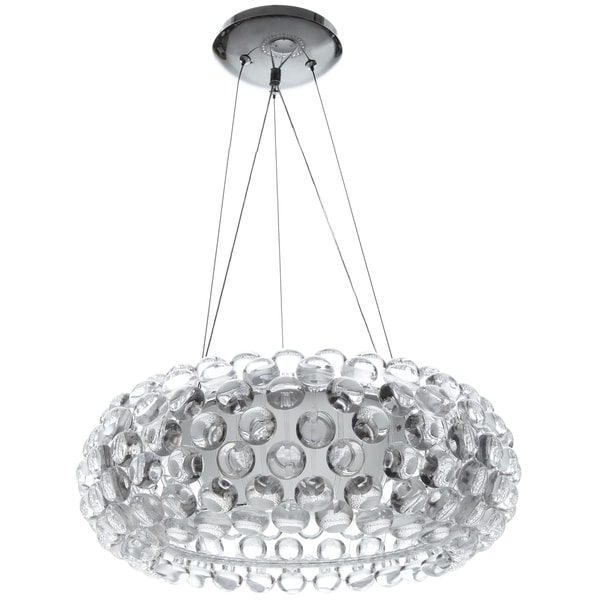 https://ak1.ostkcdn.com/images/products/7324578/20-inch-Caboche-Style-Ceiling-Fixture-3a7d849d-58e5-41bd-904a-7342650d8607_600.jpg
Newport Outdoor Brown Wicker Egg Shaped Swing Chair hammocksandswing
 http://st.hzcdn.com/simgs/a5e11ab207dad43f_4-9121/hammocks-and-swing-chairs.jpg
wow!!! Dinning and Living rooms on Pinterest Traditional Dining
 https://s-media-cache-ak0.pinimg.com/custom_covers/200x150/407435166227943808_1452748409.jpg
Abbyson Stockholm Leather Storage FlipTop Ottoman, Dark Brown
 http://st.hzcdn.com/simgs/ee9105a206cb3471_4-1679/transitional-footstools-and-ottomans.jpg
OIP.M759bc8c2834bd0f940578017e320d0eco0
532F0BF764F8B416A8E7AF779976AFDC9E86F3ACBhttp://www.overstock.com/Home-Garden/ABBYSON-LIVING-Claridge-Dark-Grey-Velvet-Fabric-Tufted-Armchair/9421266/product.html?fp=F&TRACK=CSEShopzilla
Embed Our image to your website
ThumbnailImageEmbed Our image to a Forum
ThumbnailImage
.com Shopping Great Deals on Abbyson Living Living Room Chairs
 Alpine 6 Light Chandelier, Polished Nickel Chandeliers by Luxuryhttp://st.hzcdn.com/fimgs/cbd152d806967d3f_7257-w305-h457.5-b0-p0--transitional-dining-room.jpg
Alpine luxury chandelier
A chandelier is a attractive ceiling-mounted light fixture. Chandeliers are often ornate, and use lamps normally. Crystal chandeliers have more or less complex arrays of crystal prisms to illuminate a room with refracted light. Chandeliers are often situated in hallways, living rooms, and in bathrooms recently.
The expressed phrase chandelier was first known in the English vocabulary in the 1736, borrowed from the Old French expression chandelier, which comes from the Latin candelabrum.
The earliest candle chandeliers were employed by the prosperous in middle ages times, this kind of chandelier could be moved to different rooms. Through the 15th century, more complex types of chandeliers, based on band or crown designs, became popular ornamental features in palaces and homes of nobility, merchants and clergy. Its high cost made the chandelier symbolic of luxury and status.
By the early 18th hundred years, ornate cast ormolu varieties with long, curved hands and many candles were in the homes of several in the growing vendor class. Neoclassical motifs became an common factor increasingly, mainly in cast metals but also in carved and gilded real wood. Chandeliers made in this style also drew heavily on the aesthetic of ancient Greece and Rome, incorporating clean lines, classical proportions and mythological creatures. Improvements in glassmaking allowed cheaper development of lead crystal later, the light scattering properties which quickly made it a popular addition to the form, resulting in the crystal chandelier.
During the 18th century wine glass chandeliers were made by Bohemiens and Venetian glassmakers who had been both experts in the fine art of making chandeliers. Bohemian style was generally successful across European countries and its own biggest draw was the chance to obtain impressive light refraction anticipated to facets and bevels of crystal prisms. As a a reaction to this new preference Italian wine glass factories in Murano created new types of artistic light sources. Since Murano cup was not well suited for faceting, typical work came to the realization at the right amount of time in other countries where crystal was used, venetian glassmakers relied upon the unique qualities of their cup. Typical features of a Murano chandelier are the complex arabeques of leaves, blossoms and fruits that might be enriched by colored wine glass, permitted by the specific type of glass used in Murano. This goblet they worked with was so unique, as it was soda pop glass (famed because of its extraordinary lightness) and was a complete comparison to all different kinds of glass produced in the world at that time. An incredible amount of skill and time was required to precisely twist and shape a chandelier. This new type of chandelier was called "ciocca" literally bouquet of flowers, for the characteristic decorations of glazed polychrome flowers. Probably the most sumptuous of these consisted of a metal structure covered with small elements in blown cup, colored or transparent, with adornments of flowers, fruits and leaves, while simpler model got arms made out of a unique piece of glass. Their shape was inspired by an original architectural strategy: the area inside is remaining almost empty since decor are spread all around the central support, distanced from it by the length of the biceps and triceps. One of the common use of the huge Murano Chandeliers was the interior lighting of theatres and rooms in important palaces.
In the middle-19th hundred years, as gas light captured on, branched roof accessories called gasoliers (a portmanteau of gas and chandelier) were produced, and many candlestick chandeliers were turned. Because of the 1890s, with the appearance of electric light, some chandeliers used both electricity and gas. As distribution of electricity widened, and supplies became dependable, electric-only chandeliers became standard. Another portmanteau phrase, electrolier, was created for these, but nowadays these are most called chandeliers commonly. Some are fitted with bulbs shaped to imitate candle flames, for example those shown below in Chatsworth and Epsom, or with bulbs containing a shimmering gas discharge.
The world's most significant English Goblet chandelier,(Hancock Rixon & Dunt and probably F. & C. Osler) is situated in the Dolmabah?e Palace in Istanbul. It includes 750 bulbs and weighs 4.5 tons. Dolmabah?e has the most significant collection of British and Baccarat crystal chandeliers in the world, and one of the fantastic staircases has balusters of Baccarat crystal.
More sophisticated and sophisticated chandeliers stayed developed throughout the 18th and 19th generations, but the widespread release of gas and electricity experienced devalued the chandelier's charm as a position symbol.
Toward the ultimate end of the 20th hundred years, chandeliers were often used as ornamental things for rooms, and didn't light up often.
dining rooms linear strand crystal chandelier rectangular dining Car
 http://krystalkats.com/rainbows/images/uploads/crystals/Birthstone3.jpg
Caramel Maple with appliances from a home in Alpine, New Jersey
 http://greendemolitions.com/wp-content/uploads/2016/11/Alpine-Maple-Butterscotch-2.jpg
european luxury crystal hotel lobby hotel chandelier jpg Car Tuning
 http://www.contemporarychandeliercompany.co.uk/images/contemporary-led-chandeliers/crystal-chandeliers/crystal-chandeliers-11-1.jpg
european luxury crystal hotel lobby hotel chandelier jpg Car Tuning
 http://www.ichandeliermall.com/wp-content/uploads/2014/02/detaail-22.jpg
OIP.M8fe88a60c2285d4d366be4efc06c1e28o0
7F70D80A3C561B43072ABE34E0921AE6F7F5D8171http://www.houzz.com/photos/45179295/Hudson-Valley-Lighting-7126-Alpine-6-Light-Chandelier-Polished-Nickel-chandeliers
Embed Our image to your website
ThumbnailImageEmbed Our image to a Forum
ThumbnailImage
Alpine 6 Light Chandelier, Polished Nickel Chandeliers by Luxury
 luxury ambiance with gold chandeliers How to Create a Luxury Ambiancehttp://roomdecorideas.eu/wp-content/uploads/2014/12/317.jpg
Ambience luxury chandelier
A chandelier is a decorative ceiling-mounted light fixture. Chandeliers are ornate often, and use lamps normally. Crystal chandeliers have more or less complex arrays of crystal prisms to illuminate an area with refracted light. Chandeliers are situated in hallways often, living rooms, and in bathrooms recently.
The expressed term chandelier was first known in the British words in the 1736, lent from the Old People from france term chandelier, which originates from the Latin candelabrum.
The earliest candle chandeliers were used by the wealthy in medieval times, this type of chandelier could be relocated to different rooms. From the 15th century, more complex types of chandeliers, based on ring or crown designs, became popular ornamental features in palaces and homes of nobility, merchants and clergy. It has the high cost made the chandelier a symbol of status and luxury.
By the early 18th hundred years, ornate ensemble ormolu forms with long, curved hands and many candles were in the homes of several in the growing product owner class. Neoclassical motifs became an common element increasingly, in cast metals but also in carved and gilded hardwood usually. Chandeliers manufactured in this style drew heavily on the aesthetic of ancient Greece and Rome also, incorporating clean lines, classical proportions and mythological creatures. Developments in glassmaking later allowed cheaper creation of lead crystal, the light scattering properties of which made it a popular addition to the form quickly, resulting in the crystal chandelier.
During the 18th century wine glass chandeliers were made by Bohemiens and Venetian glassmakers who were both experts in the art work of making chandeliers. Bohemian style was essentially successful across Europe and its biggest get was the chance to obtain amazing light refraction credited to facets and bevels of crystal prisms. To be a a reaction to this new taste Italian a glass factories in Murano created new kinds of artistic light sources. Since Murano wine glass was not suitable for faceting, typical work became aware at the time in other countries where crystal was used, venetian glassmakers relied after the unique attributes of their wine glass. Typical features of a Murano chandelier will be the elaborate arabeques of leaves, blooms and fruits that might be enriched by coloured glass, made possible by the specific type of cup found in Murano. This a glass they worked with was so unique, as it was soda glass (famed for its remarkable lightness) and was a complete distinction to all different kinds of glass stated in the world in those days. An incredible amount of skill and time was required to precisely twist and shape a chandelier. This new kind of chandelier was called "ciocca" literally bouquet of flowers, for the characteristic decorations of glazed polychrome flowers. By far the most sumptuous of these consisted of a metal shape covered with small elements in blown glass, colored or transparent, with decor of flowers, fruits and leaves, while simpler model had arms made with a unique piece of glass. Their form was inspired by an original architectural strategy: the space on the inside is left almost vacant since designs are spread all around the central support, distanced from it by the length of the hands. Among the common use of the huge Murano Chandeliers was the interior lighting of theatres and rooms in important palaces.
In the middle-19th century, as gas lighting captured on, branched ceiling fittings called gasoliers (a portmanteau of gas and chandelier) were produced, and many candle chandeliers were modified. By the 1890s, with the looks of electric light, some chandeliers used both gas and electricity. As distribution of electricity widened, and supplies became dependable, electric-only chandeliers became standard. Another portmanteau term, electrolier, was formed for these, but nowadays they are most called chandeliers commonly. Some are fitted with bulbs shaped to imitate candle flames, for example those shown below in Chatsworth and Epsom, or with bulbs containing a shimmering gas discharge.
The world's greatest English Wine glass chandelier,(Hancock Rixon & Dunt and probably F. & C. Osler) is situated in the Dolmabah?e Palace in Istanbul. They have 750 weighs and lamps 4.5 tons. Dolmabah?e has the major collection of British and Baccarat crystal chandeliers in the global world, and one of the fantastic staircases has balusters of Baccarat crystal.
More intricate and intricate chandeliers continued to be developed throughout the 18th and 19th generations, but the widespread release of gas and electricity acquired devalued the chandelier's appeal as a position symbol.
Toward the ultimate end of the 20th century, chandeliers were used as decorative focal points for rooms often, and did not illuminate often.
chandelier lightingdesign lampdesign ambient lighting, deco lightign
 https://s-media-cache-ak0.pinimg.com/736x/c8/48/c3/c848c3bcc7af9044fdd60362774b5a5c.jpg
Amazing dining room chandelier seems like it stumbled out of planet
 http://cdn.decoist.com/wp-content/uploads/2013/11/Amazing-dining-room-chandelier-seems-like-it-stumbled-out-of-planet-Pandora.jpg
Therese Chandelier for adds life to the ambience
 http://luxurylaunches.com/wp-content/uploads/2012/12/Therese_Chandelier_1.jpg
design, ambient lighting, luxury homesSee more at www.luxxu.net
 https://s-media-cache-ak0.pinimg.com/236x/b7/f9/65/b7f9655f572f5cd1b8650c42ef690b77.jpg
OIP.M1cd74aca72c1f8b3d335b116d0b03b0co0
5539B0EAD776858EBF45E7B93E86BA922C27C9A83http://roomdecorideas.eu/how-to-create-a-luxury-ambiance-with-gold-chandeliers/
Embed Our image to your website
ThumbnailImageEmbed Our image to a Forum
ThumbnailImage
luxury ambiance with gold chandeliers How to Create a Luxury Ambiance
 Hudson Valley Lighting 7126 Alpine 6 Light Chandelier Amazon.comhttp://ecx.images-amazon.com/images/I/41aRAiesMOL._SX342_QL70_.jpg
Alpine luxury chandelier
A chandelier is a attractive ceiling-mounted light fixture. Chandeliers are ornate often, and normally use lamps. Crystal chandeliers have more or less sophisticated arrays of crystal prisms to light up a available room with refracted light. Chandeliers are found in hallways often, living rooms, and recently in bathrooms.
The expressed expression chandelier was first known in the English dialect in the 1736, borrowed from the Old People from france word chandelier, which originates from the Latin candelabrum.
The earliest candlestick chandeliers were used by the prosperous in medieval times, this type of chandelier could be shifted to different rooms. From 15th century, more complex varieties of chandeliers, based on engagement ring or crown designs, became popular decorative features in homes and palaces of nobility, merchants and clergy. Its high cost made the chandelier symbolic of position and luxury.
By the first 18th century, ornate solid ormolu forms with long, curved arms and many candle lights were in the homes of many in the growing merchant class. Neoclassical motifs became an common factor increasingly, usually in ensemble metals but also in carved and gilded real wood. Chandeliers made in this style also drew heavily on the aesthetic of ancient Greece and Rome, incorporating clean lines, classical proportions and mythological creatures. Innovations in glassmaking later allowed cheaper production of business lead crystal, the light scattering properties of which quickly made it a favorite addition to the form, leading to the crystal chandelier.
Through the 18th century glass chandeliers were produced by Bohemiens and Venetian glassmakers who had been both masters in the art work of making chandeliers. Bohemian style was mainly successful across Europe and its biggest draw was the opportunity to obtain stunning light refraction anticipated to facets and bevels of crystal prisms. Being a a reaction to this new flavour Italian goblet factories in Murano created new sorts of creative light options. Since Murano wine glass was not suitable for faceting, typical work realized at the right time in other countries where crystal was used, venetian glassmakers relied after the unique qualities of their cup. Typical top features of a Murano chandelier will be the elaborate arabeques of leaves, flowers and fruits that would be enriched by colored cup, made possible by the precise type of wine glass found in Murano. This goblet they caused was so unique, as it was soda glass (famed because of its amazing lightness) and was a complete distinction to all different kinds of glass stated in the world at that time. An incredible amount of skill and time was required to twist and condition a chandelier precisely. This new kind of chandelier was called "ciocca" literally bouquet of flowers, for the characteristic decorations of glazed polychrome flowers. The most sumptuous of these contains a metal structure covered with small elements in blown a glass, colored or transparent, with designs of flowers, leaves and fruits, while simpler model acquired arms made out of a unique piece of glass. Their shape was motivated by a genuine architectural principle: the space inside is remaining almost bare since decorations are spread all around the central support, distanced from it by the length of the forearms. Among the common use of the huge Murano Chandeliers was the inside lighting of theatres and rooms in important palaces.
In the middle-19th century, as gas lamps found on, branched roof accessories called gasoliers (a portmanteau of gas and chandelier) were produced, and many candle chandeliers were altered. By the 1890s, with the looks of electric light, some chandeliers used both electricity and gas. As distribution of electricity widened, and supplies became dependable, electric-only chandeliers became standard. Another portmanteau phrase, electrolier, was made for these, but nowadays they can be mostly called chandeliers. Some are fitted with bulbs shaped to imitate candle flames, for example those shown below in Epsom and Chatsworth, or with bulbs containing a shimmering gas discharge.
The world's major English Wine glass chandelier,(Hancock Rixon & Dunt and probably F. & C. Osler) is situated in the Dolmabah?e Palace in Istanbul. It includes 750 bulbs and weighs 4.5 tons. Dolmabah?e has the largest collection of British and Baccarat crystal chandeliers in the world, and one of the great staircases has balusters of Baccarat crystal.
More complex and intricate chandeliers stayed developed throughout the 18th and 19th centuries, but the common intro of gas and electricity experienced devalued the chandelier's appeal as a status symbol.
Toward the end of the 20th hundred years, chandeliers were used as decorative focal points for rooms often, and often didn't light up.
bedroom Home Stuff Pinterest Bedroom Lighting, Sevilla and
 https://s-media-cache-ak0.pinimg.com/236x/e4/92/d2/e492d2bbee36d7cd950a4e41be03a309.jpg
Chandelier high up in the living room in Chalet Le Rocher
 http://cdn.alpineguru.com/wp-content/gallery/val-disere-chalet-le-rocher/le-rocher-chandelier.jpg
Chalet Makini Verbier dining table and chandelier
 http://cdn.alpineguru.com/wp-content/gallery/makini-verbier/chalet-makini-verbier-dining-table-chandelier-above.jpg
Staircase on Pinterest Staircases, Grand Staircase and Foyers
 http://www.mohamedhadid.com/wp-content/uploads/2014/02/nimes-stair.jpg
OIP.Mfad0088ae88460329e17170d9f5a5c3fo0
67D489FB4098B7E62DE4AFFE856079D2C9B5ABBD6http://amazon.com/hudson-valley-lighting-alpine-chandelier/dp/b01099kvbo
Embed Our image to your website
ThumbnailImageEmbed Our image to a Forum
ThumbnailImage